

%20Virtualizaci%C3%B3n%20de%20servidores.png?height=420&name=27%20(Option%202)%20Virtualizaci%C3%B3n%20de%20servidores.png)
From improving operating costs to having greater server availability, server virtualization (also known as VPS—Virtual Private Server) is the solution for hosting your applications and sites, improving the agility, flexibility, and scalability of IT infrastructure.
By server virtualization, we understand the process of dividing a physical server into multiple virtual servers through a hypervisor software application. Each virtual server is completely independent of the other, thus managing to host its own operating systems. Simply put, it is the simulation of a physical server in a virtual environment.
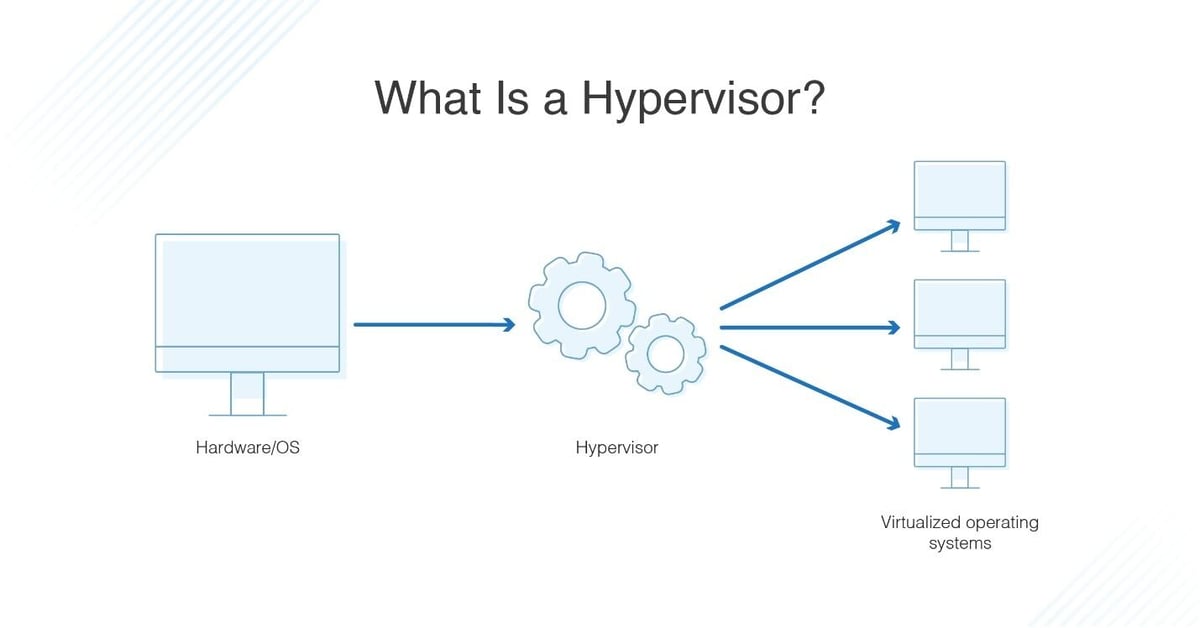
Let's look at the 3 types of virtual servers that you can find in Madata:
1. Virtualization at the Operating System Level: In this option, a hypervisor is not used; instead, the physical server's operating system is in charge of carrying out its tasks. Because of this, virtual machines must run the same operating system as the physical server, even if they operate separately.
2. Paravirtualization: In this type of virtualization, the hypervisor is used, and the entire network is operated as an integrated unit. Paravirtualization saves processing power since each operating system on the virtual servers is aware of the resources used by the others.
3. Complete Virtualization: The most complete option monitors the resources of the physical server and allows each virtual server to be independent and isolated from the rest of the virtual servers. Because a hypervisor has its own processing needs, this can slow down applications and affect server performance.
Main Benefits of Server Virtualization
- Cost savings
- Higher server performance
- Greater control in the administration of the accommodation
- Remote access
- You can install other applications
- We avoid having underused and overused hardware in the same data center
Why Choose Server Virtualization?
Let's look at an example, imagine that you have a website on traditional hosting, your site is working normally, but on the same server there is someone else's blog that receives a lot of traffic at certain times of the day.
During these high traffic peaks, the server allocates more RAM and processing resources to this site, which can affect the operation of the rest of the sites and/or applications hosted on the same machine (interruptions, system crashes) since the resource's hardware is shared.
This problem does not exist in a virtual server, which guarantees better performance.
Do I choose an on-premise or cloud infrastructure?
Are you interested in hosting your ERP system, site, or application on a virtual server? Write to us at contacto@madata.com, and a Madata specialist will assist you.






%20-%20Principales%20pr%C3%A1cticas%20y%20ventajas%20de%20adoptar.jpg)