

Artificial intelligence is changing the way companies manage their information, execute processes, and make decisions. By 2026, its impact will no longer be limited to standalone tools or isolated use cases: AI will begin to be integrated directly into the business platforms that are part of organizations’ day-to-day operations.
In the SAP ecosystem, this evolution enables the incorporation of artificial intelligence capabilities into key processes such as finance, procurement, sales, supply chain, and human resources.
The goal is not to replace people, but to help them reduce manual tasks, analyze information more quickly, and focus on activities that generate greater value for the business.
The Evolution of Business Management with AI
For years, ERP systems have been the hub of business information. They record transactions, connect different departments, and provide visibility into core business processes.
Now, artificial intelligence is expanding these capabilities.
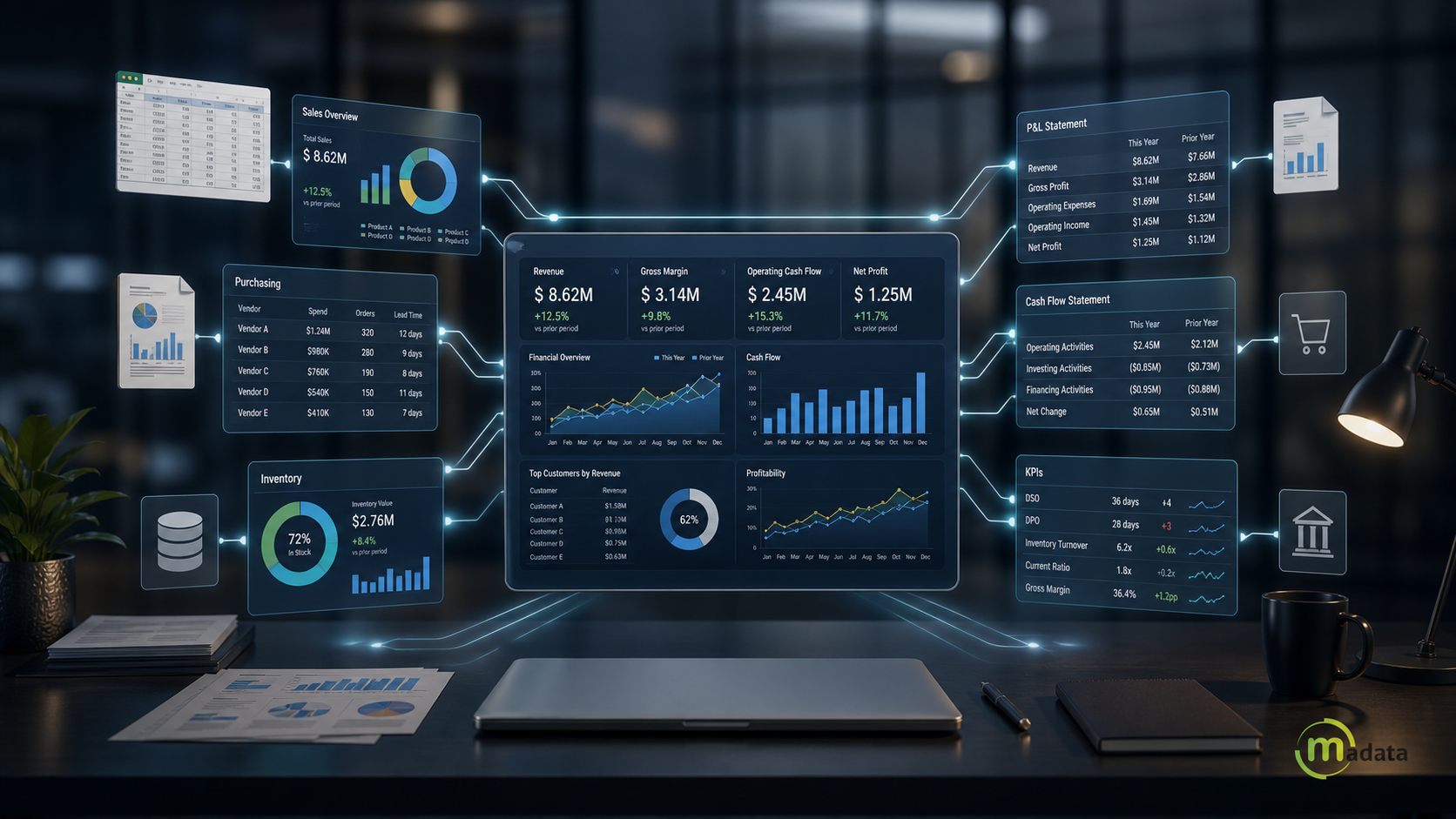
In addition to processing and centralizing information, AI can help analyze large volumes of data, identify patterns, generate recommendations, and support specific activities within business processes.
This represents a significant shift: companies are no longer just looking to find out what happened, but are seeking tools that help them interpret the available information and respond more quickly.
What role does AI play within SAP?
SAP’s artificial intelligence strategy aims to integrate these capabilities directly into the business context.
Through SAP Business AI and tools like Joule, users can interact more naturally with the information, applications, and processes they use within the organization.
This enables artificial intelligence to support different tasks depending on the area and process involved.
For example, instead of spending time searching for information across different systems, users can more easily access relevant data, analytics, or recommendations to support their work.
The difference is that enterprise AI can leverage the context of the processes and the information available within the organization’s technological environment.

AI in Finance: Information for Faster Decision-Making
Finance departments manage large amounts of information and processes that require precision and constant analysis.
Artificial intelligence can support activities related to financial analysis, forecasting, risk management, and data review, reducing some of the manual work typically required by these processes.
This allows finance teams to spend less time collecting and organizing data and more time interpreting information and making decisions.
AI can help identify variations, analyze trends, and provide relevant information more quickly.
Purchasing and Suppliers: More Agile and Connected Processes
In procurement, much of the day-to-day work involves reviewing information, managing suppliers, and tracking various processes.
Artificial intelligence can help streamline these activities through data analysis and the automation of certain tasks.
By having connected information, companies can gain better visibility into their procurement processes and understand how purchasing decisions can impact other areas, such as inventory, production, or finance.
This allows teams to focus more on strategic activities and managing supplier relationships.
Sales: Better Access to Business Information
For sales teams, having up-to-date information can make a significant difference when serving customers and making decisions.
AI can facilitate access to data related to customers, opportunities, orders, and other sales processes.
When sales information is integrated with other areas of the business—such as inventory, logistics, and finance—teams can gain a more comprehensive view of the situation.
The goal is to reduce the time spent searching for information and allow sales teams to focus on customer service and developing new opportunities.
Supply Chain: Anticipating and Responding with Greater Agility
The supply chain is one of the areas where artificial intelligence can have a significant impact.
Companies must manage multiple variables: demand, inventory, suppliers, production, and logistics. A change in any of these elements can affect the rest of the chain.
AI can help analyze information and detect patterns that enable companies to respond more quickly to changes or situations that require attention.
However, to take advantage of these capabilities, it is essential to have reliable data and interconnected processes. Artificial intelligence can be a powerful tool, but its value depends on the quality of the information it works with.
Human Resources: Technology to Support People
In human resources, artificial intelligence can support processes related to talent management, skill development, and access to information.
This can help streamline certain administrative tasks and allow teams to devote more time to initiatives focused on people and the organization’s growth.
As with any process involving sensitive information, security, privacy, and governance must be a fundamental part of the strategy.
Artificial intelligence should serve as a support for people, while always maintaining the necessary controls and oversight.
The Next Step: AI Agents for Business Processes
One concept that is gaining prominence is the use of artificial intelligence agents.
Unlike a tool that merely answers questions, an agent can be designed to support specific tasks and processes.
These agents can help analyze information and perform specific activities within a workflow, always in accordance with the permissions, controls, and capabilities defined by the organization.
This evolution opens up new possibilities for connecting processes and reducing manual tasks across different systems and departments.
The key will be finding the right balance between automation, human oversight, and control.
Preparing Your Company for AI in SAP
Artificial intelligence does not have to be implemented across all processes at the same time.
An effective strategy can begin by identifying areas where there is a clear opportunity to reduce manual tasks, improve data analysis, or streamline specific processes.
Adoption must also involve people. Teams need to understand how to use these new capabilities and how to integrate them into their daily work.
Technology can transform the way processes are executed, but people will remain essential for providing judgment, expertise, and making strategic decisions.
Artificial intelligence is already transforming business management
In 2026, AI in SAP is opening up new possibilities for connecting data, processes, and people.
From finance and procurement to sales, supply chain, and human resources, organizations can leverage artificial intelligence to streamline activities, analyze information, and improve the way they manage their business.
The real challenge will not simply be incorporating AI, but identifying where it can generate real value and building a technological foundation that allows organizations to leverage it securely and strategically.
At Madata, we support organizations in their SAP solution and technology transformation projects, helping them build environments that connect processes, data, and new capabilities.
If your company is evaluating how to modernize its SAP environment and prepare to leverage artificial intelligence capabilities, we can help you identify the right path based on your business needs.
https://meetings.hubspot.com/paulina-reyes2